How To Make Sure You’re On The Right Website
Popular supplement brands often attract multiple similarly-spelled domains, some official, some run by unrelated affiliates or resellers.
Here's a quick pre-checkout checklist to reduce confusion and risk.
Why domain variations happen
A single brand's official site, third-party affiliate pages, and unrelated resellers can all use very similar domain names — sometimes a single letter different, or a different top-level domain (.com vs .net). This happens for both legitimate reasons (regional distributors, affiliate marketing structures) and less legitimate ones.
A quick pre-checkout checklist
1. Read the URL character by character before entering payment information — don't just glance at the general look of the page.
2. Check for HTTPS and a valid security certificate, visible as a lock icon in your browser's address bar.
3. Search for the exact domain plus ‘reviews’ or ‘scam’ before ordering, to see if others have flagged issues with that specific site.
4. Screenshot your order confirmation page immediately after checkout, including the URL, order number and price, in case you need it later.
5. Use a credit card rather than a debit card or bank transfer when possible, since credit cards generally offer stronger fraud-dispute protections.
What this doesn't mean
It doesn't mean every domain variation is a scam — many are entirely legitimate regional or affiliate variants of the same underlying offer. It means a few seconds of verification before checkout is cheap insurance against confusion or worse.
How this applies here
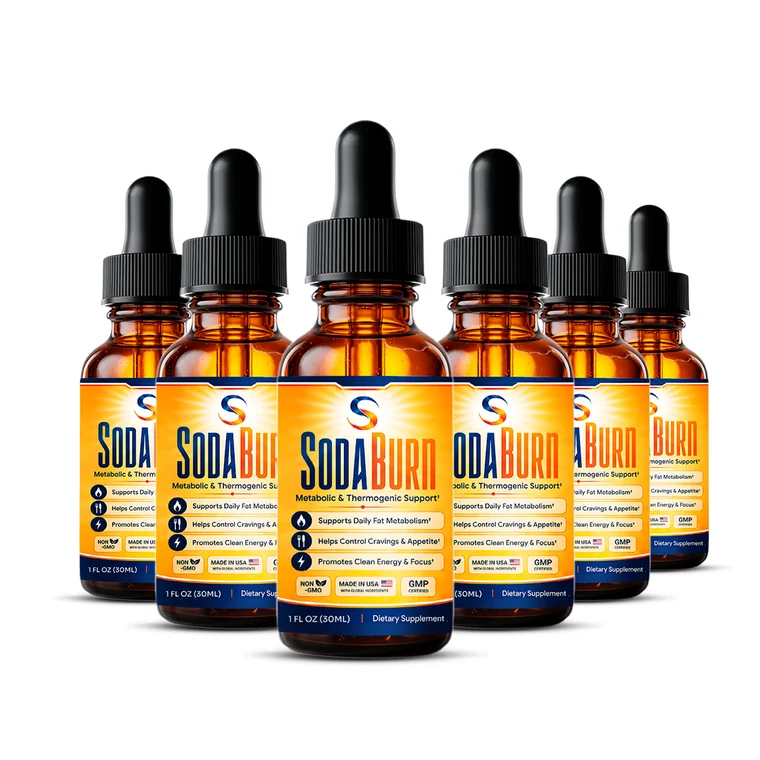
We found more than one similarly-spelled domain promoting SodaBurn-branded products. See our full honest verdict for how we weighed this.